Water bodies
-
 Visit water body
Water body
Deep Sea
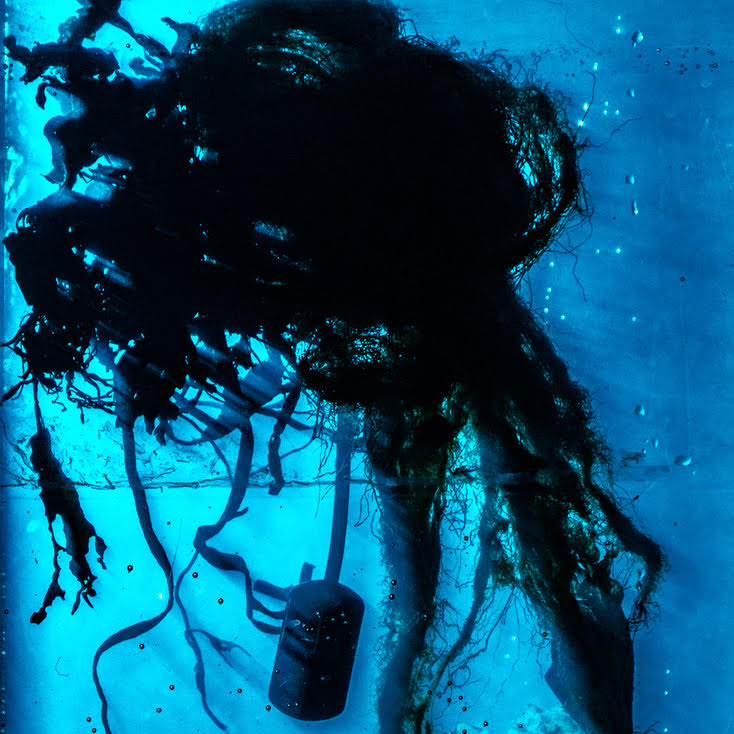
A Seat for the Sea is a transmedia project through which Greet Brauwers and Raf Custers want to address the exploitation of the sea in this ‘Ocean Decade’. We explore how to grasp this complex subject and translate it into imagination. How do you arouse interest in something that is invisible and intangible, yet has…
-
 Visit water body
Water body
Morača & Tara
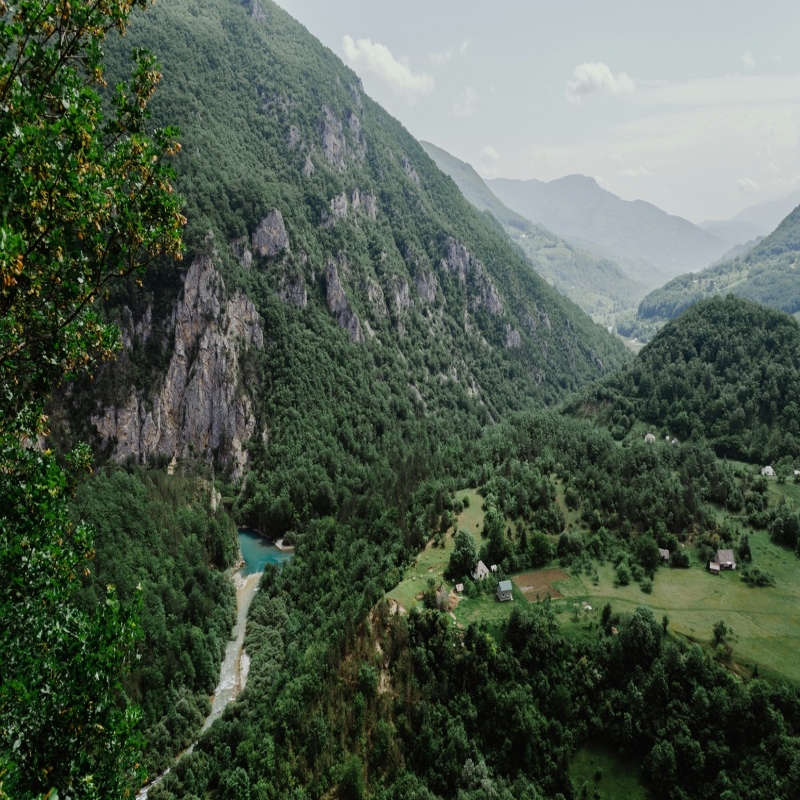
As some of the last remaining wild rivers in Europe, Montenegro’s Morača and Tara rivers stand as monuments of extraordinary natural importance. The Tara River, home to the world’s second-largest canyon, showcases the grandeur of wild landscapes, while the Morača River, brimming with rich biodiversity, is the next candidate after Vjosa to attain “wild river national park” status.
-
 Visit water body
Water body
Baltic Sea
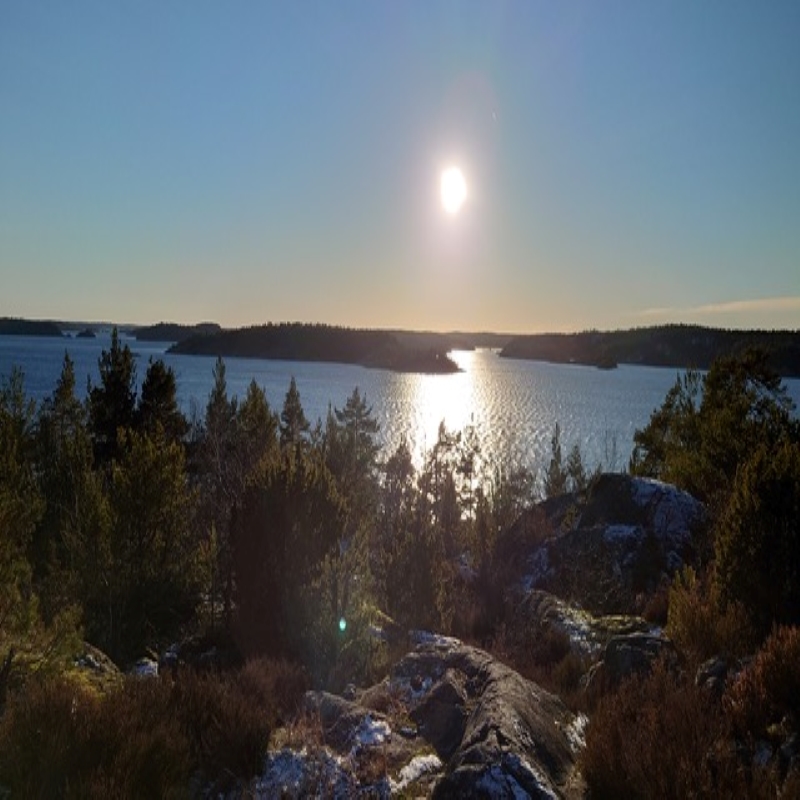
The Baltic Sea is the youngest sea on the planet and one of the world’s largest brackish waters. It is surrounded by nine states: Sweden, Denmark, Estonia, Finland, Germany, Latvia, Lithuania, Poland, and Russia, with parts of Belarus, Czech Republic, Norway, Slovakia, and Ukraine in the drainage basin. More than 85 million people live in the Baltic Basin.
-
 Visit water body
Water body
Irish Sea and the River Liffey
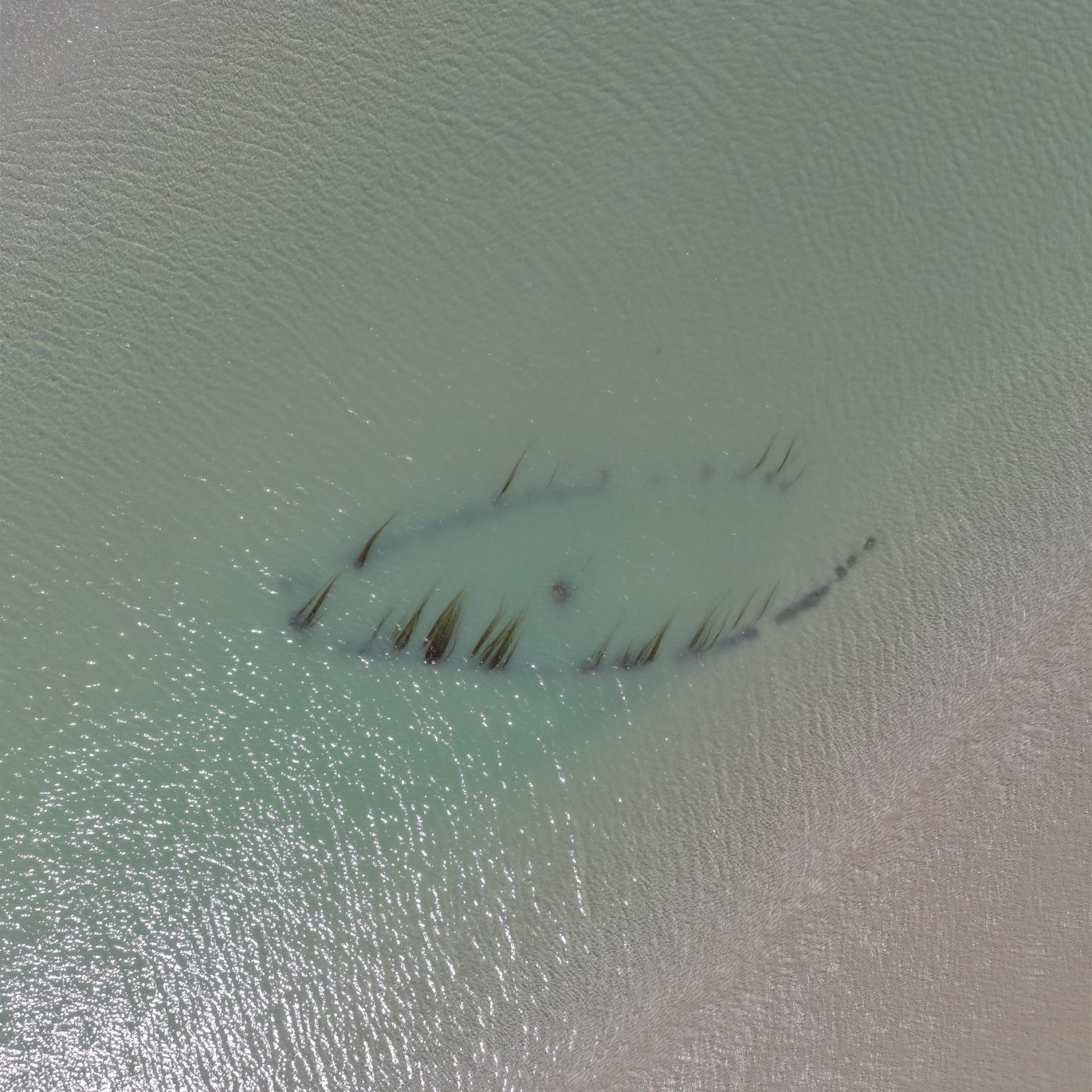
“The River Liffey runs through the heart of Dublin as an enduring presence, shifting and layered. I don’t just represent the Liffey as a body of water, but as a living archive, a fluid witness to history, memory, and change. It holds within it the sediments of time—colonial trade routes, ancient crossings, ecological decline, whispered…
-
 Visit water body
Water body
Scheldt River (l’Escaut)
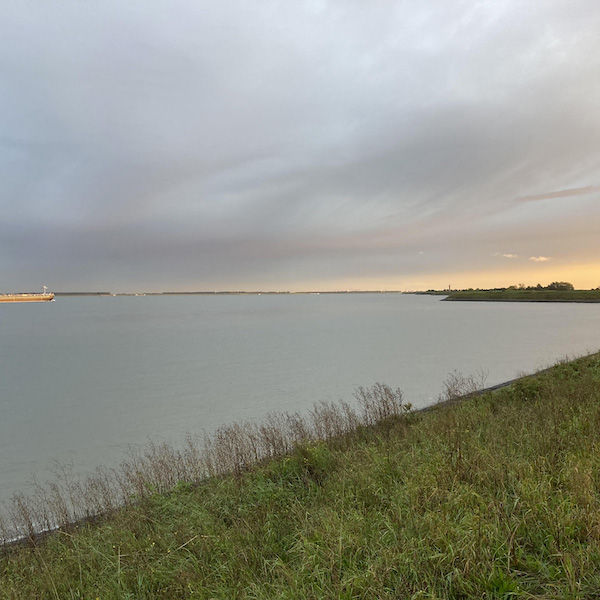
L’Escaut sources in Gouy (North France) at 100 meters above sea level, flows as Schelde through Ghent (West Belgium) and Antwerp, meanders as Western Scheldt (Southwest of the Netherlands) into the North Sea. In 350 km, the river widens to 65 meters (Ghent), 450 meters (Antwerp), 5.000 meters (Flushing). The yearly discharge of fresh water…
-
 Visit water body
Water body
Laguna de la Janda
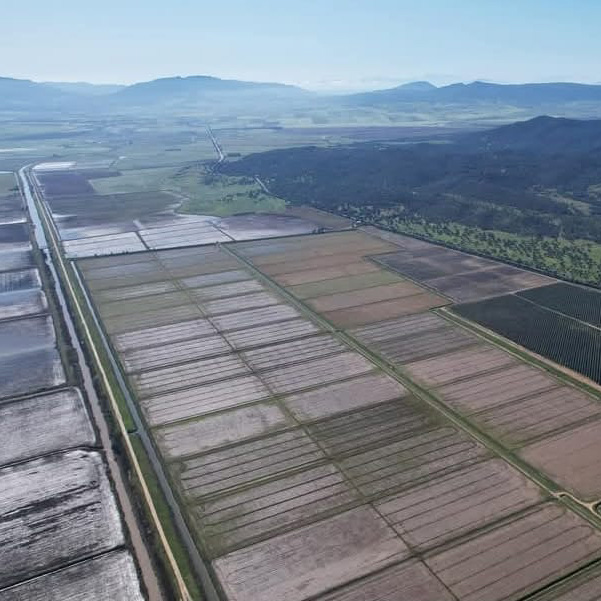
Once spanning over 7,000 hectares, La Janda was the largest inland wetland in the Iberian Peninsula and the southernmost marsh complex in Europe. Nestled in the province of Cádiz, Andalucía, it formed a seasonal mosaic of shallow lagoons and lush marshes, sustained by the rivers Barbate, Celemín, and Almodóvar. This vibrant ecosystem served as a…
-
 Visit water body
Water body
Viskan
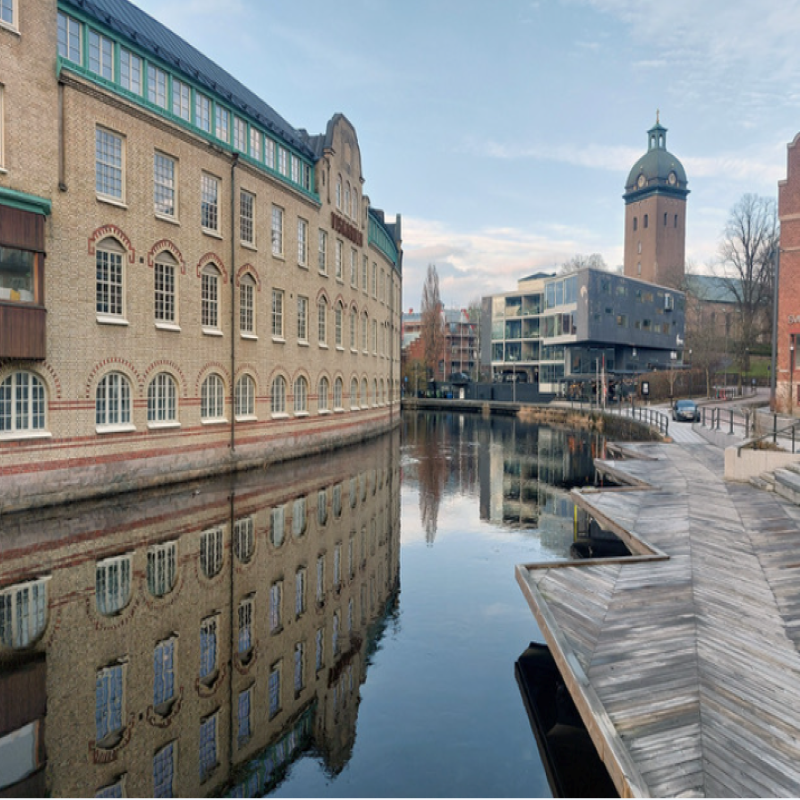
Viskan is the name of a 2200 square kilometre watershed with a 140-kilometre-long river, many tributaries, and hundreds of lakes. They are situated in the southwestern part of Sweden and have their outlet in the Kattegat/North Sea. Viskan was created when the ice cap withdrew some 13000 years ago. Many beings, including humans, were early at the site to...
-
 Visit water body
Water body
Ouse
Love our Ouse is a community based initiative linking people to celebrate, learn and take action for Sussex River Ouse from source to sea. We believe the Ouse has the right to support a rich biodiversity and a thriving riverside community. There’s so much to learn about the Ouse; its rich history, topography, ecology and water quality to name...
-
 Visit water body
Water body
Dogger Bank
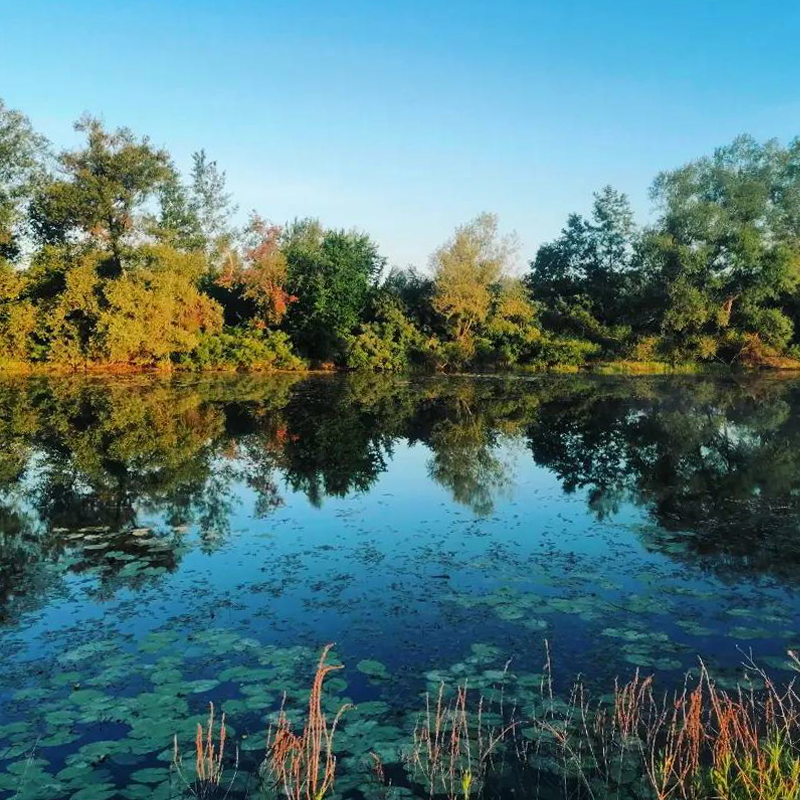
The Dogger Bank is a 25,000 km2 offshore submerged sandbank in the middle of the North Sea, designated as an EU Natura 2000 marine protected area. Despite its severely degraded state, the Dogger Bank is also called a breeding ground of the North Sea. It forms the heart of a network of marine protected areas needed and required to...
-
 Visit water body
Water body
Drina
The Drina river basin covers an area of 19,680 km² and extends over the territory of the three largest coastal countries: Serbia, Bosnia and Herzegovina and Montenegro. Pristine ecosystems, wetlands and alluvial forests are among the most important habitats in the Drina basin. They represent an important factor for habitat diversity and provide conditions and shelter for many species, and...
-
 Visit water body
Water body
Tagliamento
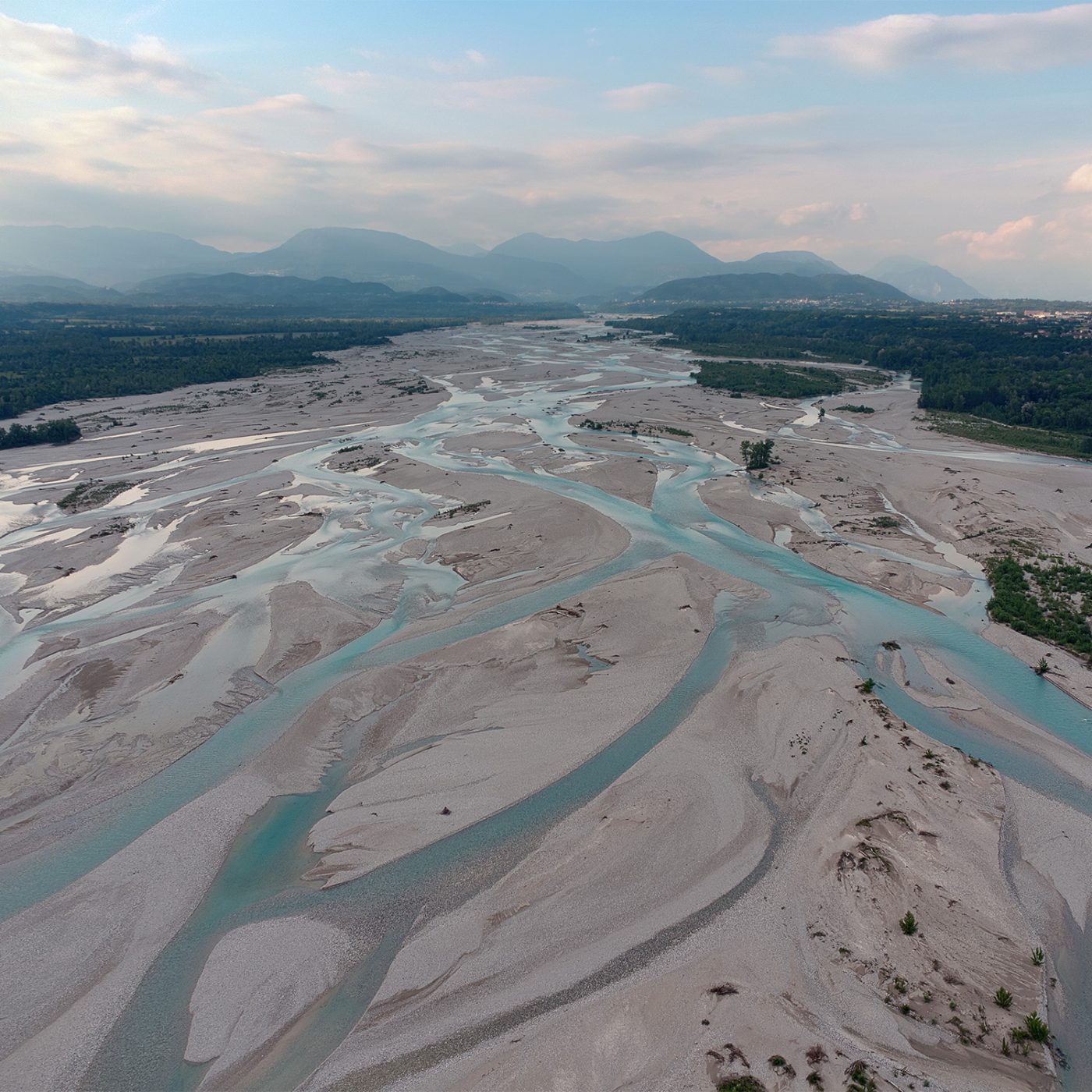
Tagliamento is the name of a river in the far Northeast of Italy, in the region closest to Slovenia and Austria. Its name means “river with a lot of linden trees along its banks.” The river has its source in the Dolomite mountains and flows to the Adriatic Sea, covering a distance of 178km. Tagliamento…
-
 Visit water body
Water body
Mar Menor
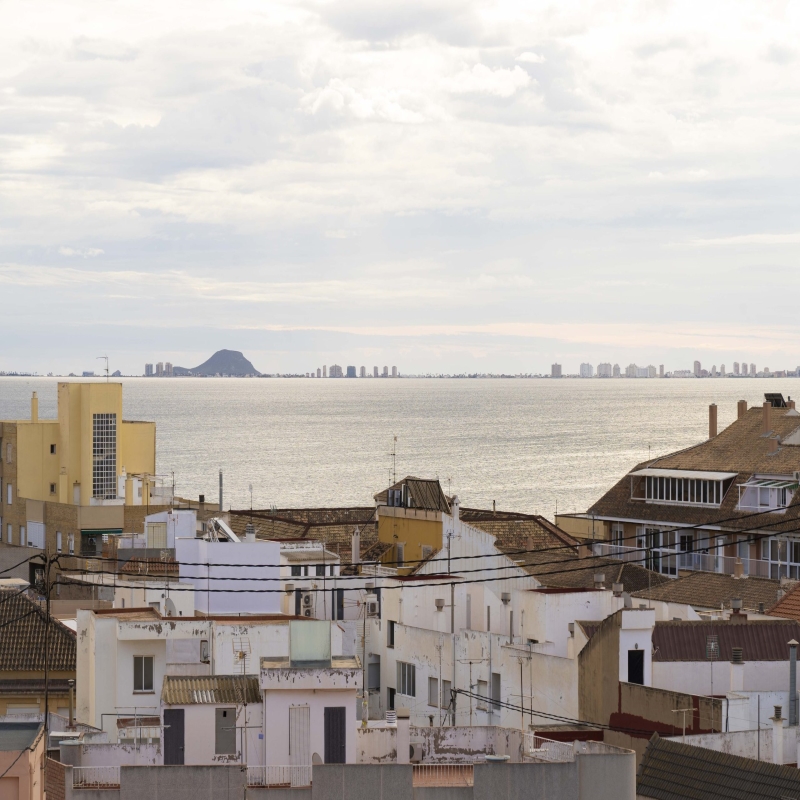
The Mar Menor is a 135 km2 coastal lagoon in the southeastern region of Murcia in Spain. It is the largest saltwater lagoon in Europe, separated from the Mediterranean Sea by a strip of land called La Manga del Mar Menor. The Mar Menor is in a severe state of eutrophication due to the nutrients it receives, mainly from...
-
 Visit water body
Water body
Mtkvari
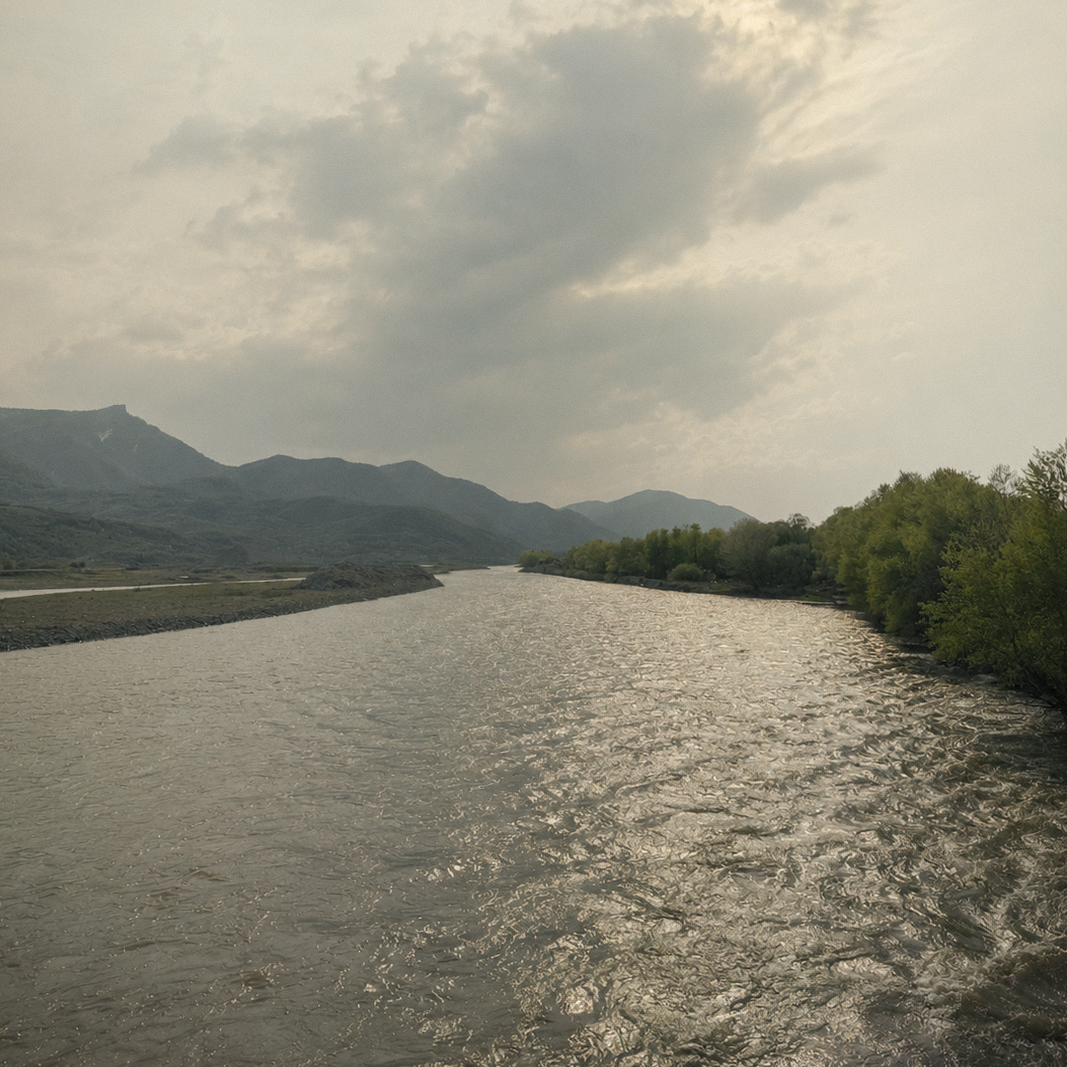
A water body flowing from the Caucasus before mingling with the Caspian Sea—known in human tongues as Mtkvari, Kura, Cyrus—was the living pulse of Georgia, circulating in the bodies of its dwellers as they swam, drank, and marked their deepest rituals at its edge. Known for its capricious nature: changing rapids, fluctuating shallows, and periodic…
-
 Visit water body
Water body
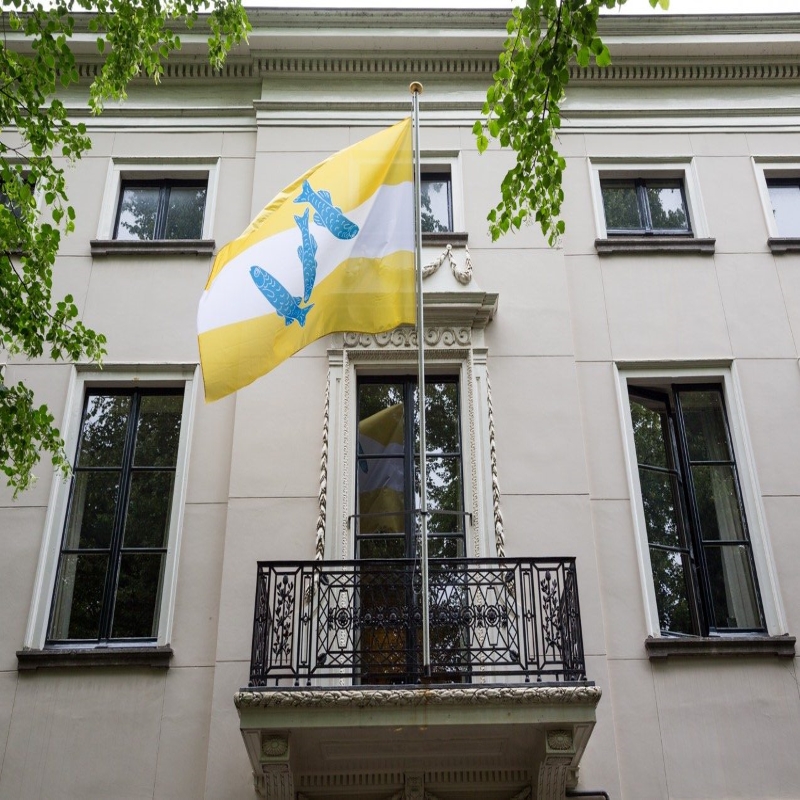
Rhine
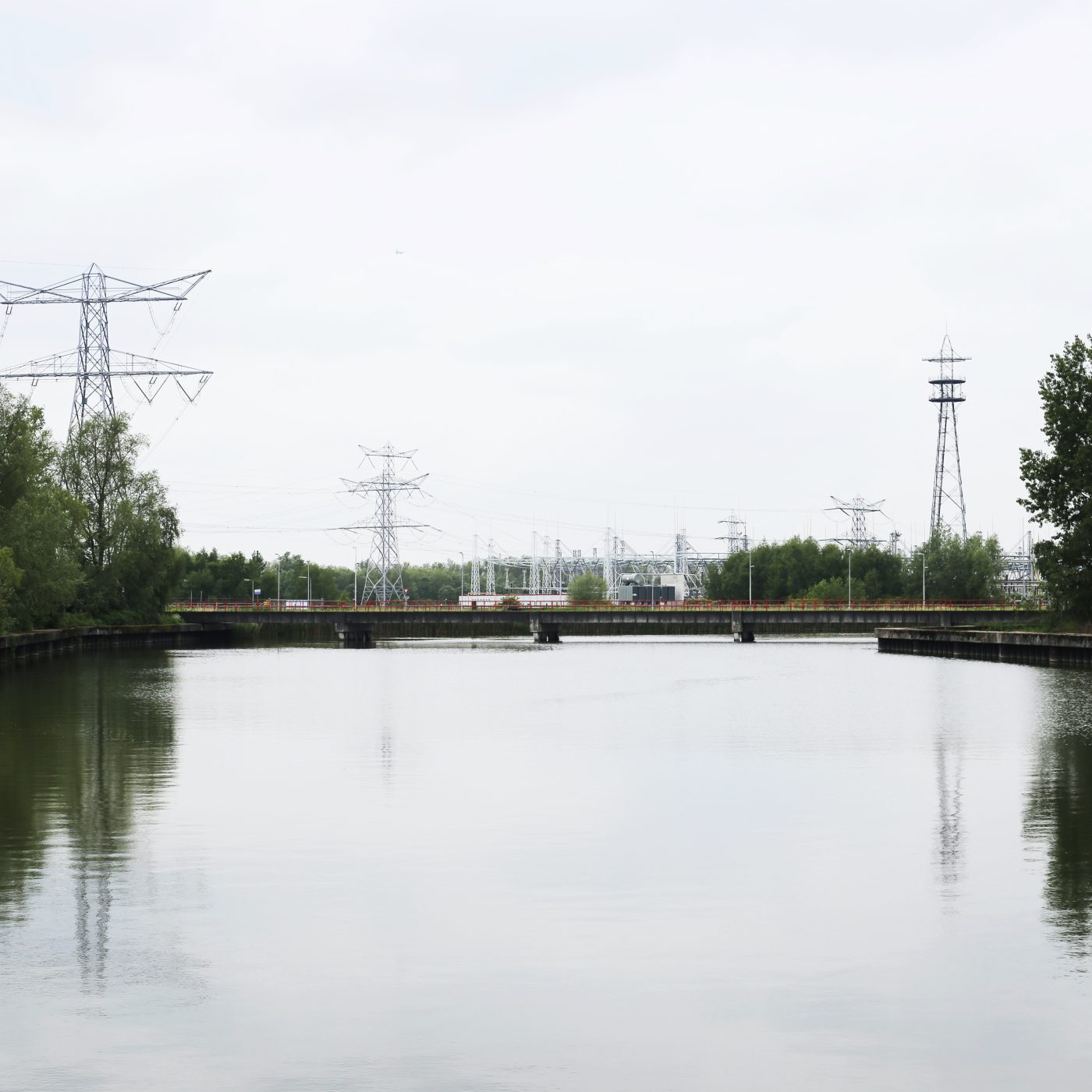
The Rhine River, one of Europe’s longest and most significant waterways, spans over 1,230 kilometers from the Swiss Alps to the North Sea. Flowing through six countries—Switzerland, Liechtenstein, Austria, Germany, France, and the Netherlands—it has shaped European history, culture, and economies for centuries. Its delta, shared with the Meuse and Scheldt rivers in the Netherlands,…
-
 Visit water body
Water body
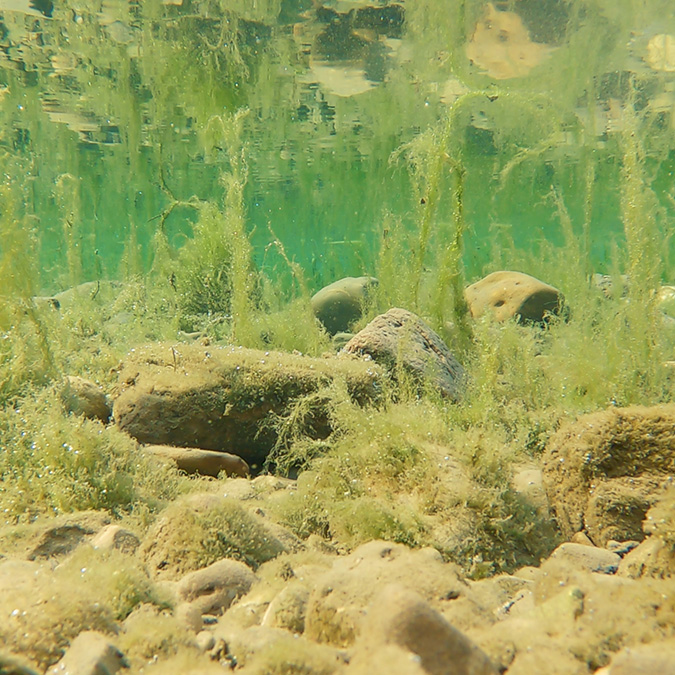
North Sea
The North Sea, bordered by England, Scotland, Norway, Sweden, Denmark, Germany, the Netherlands, Belgium and France, is geologically a young body of water. It has been around for about 8,000 years. Despite the fact that the North Sea covers 60% of Dutch territory (58,500 km2), which makes it the largest public space in the Netherlands, there is very little...
-
 Visit water body
Water body
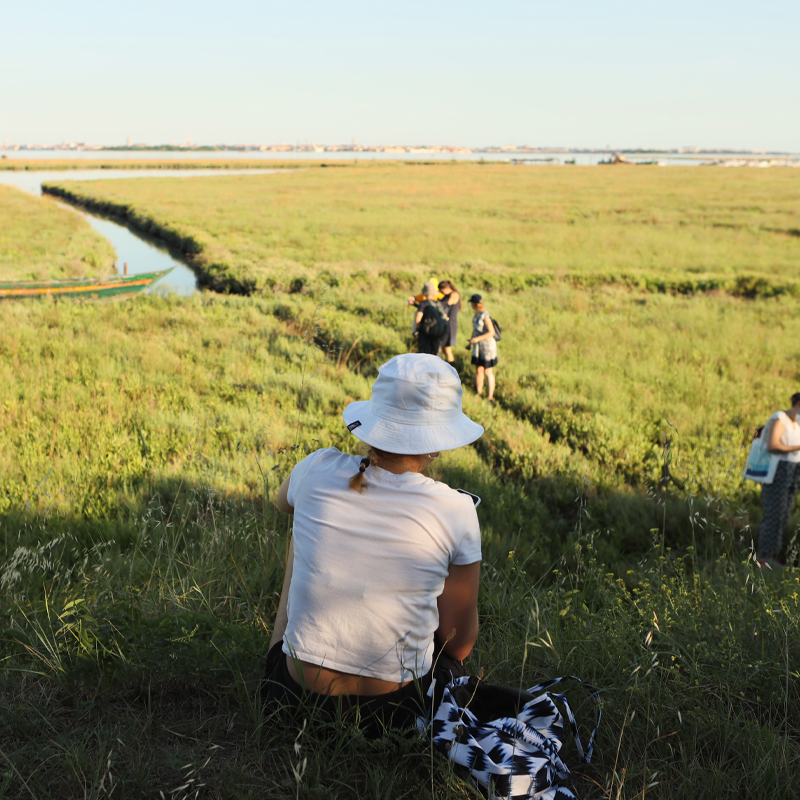
Meuse River
Maas Lab is a collaboration between the Meuse River, SoAP Maastricht, and TAAT. Maas Lab is convinced that the survival of the human species requires a structural change in the way we live together. Maas Lab was born out of a shared curiosity about how an actual partnership with a river could change our human…
-
 Visit water body
Water body
Venice Lagoon
The city of Venice rises from the waters of the Mediterranean’s largest lagoon, an ecosystem that has balanced between natural instability and human-made adaptations throughout centuries, with early hydraulic interventions dating as far as 1400 AD. The lagoon provides essential ecosystem services, from acting as a natural carbon sink to sustaining biodiversity, alleviating floods and storms, and allowing multiple...
-
 Visit water body
Water body
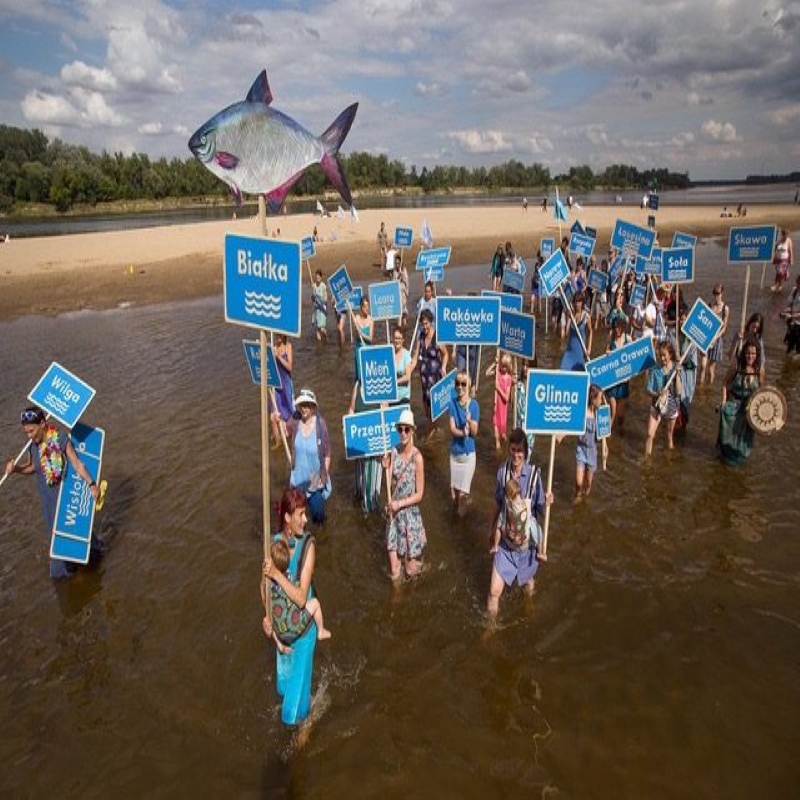
Os_lo Fjord
Oslo means Os-Lo: "the light place where the river meets the sea." It can also mean "Æs-LO": the gods' light place. Oslo is a water cycle that contains a 100 km long fjord, many rivers, sister lakes and forest clouds. From our human perspective, the cycle starts with a lake, e.g. Oslo city's drinking source, Maridalsvannet, a lake made...
-
 Visit water body
Water body
Vistula
There is a unique river in the heart of Europe, largely still free and wild, with a vibrant ecosystem – the Vistula, a European treasure. More than half of Poland’s area is in the basin of the Vistula, the longest river (1,047 km) in Poland. Despite the construction of dykes and regulatory structures along a stretch of several hundred...
-
 Visit water body
Water body
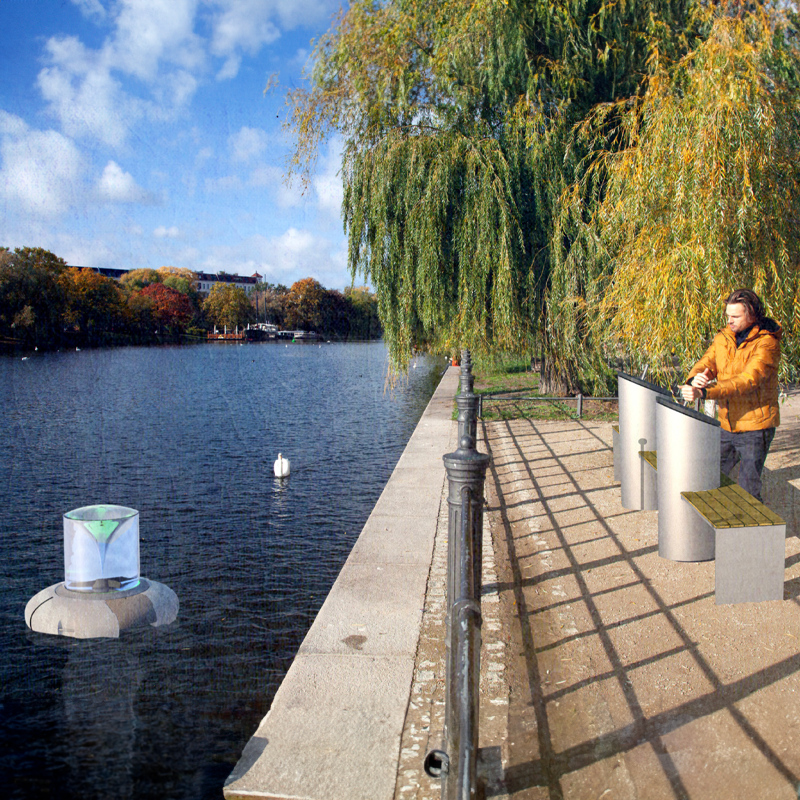
Spree
In the context of the climate crisis and the accompanying social change, SpreeBerlin explores the relationship between Berlin and the Spree. How can the river be given its own “political“ voice and what can help create more awareness about the Spree and the influence of humans? The Spree suffers from sewer overflows, unfavourable river architecture, use of the waters...
-
 Visit water body
Water body
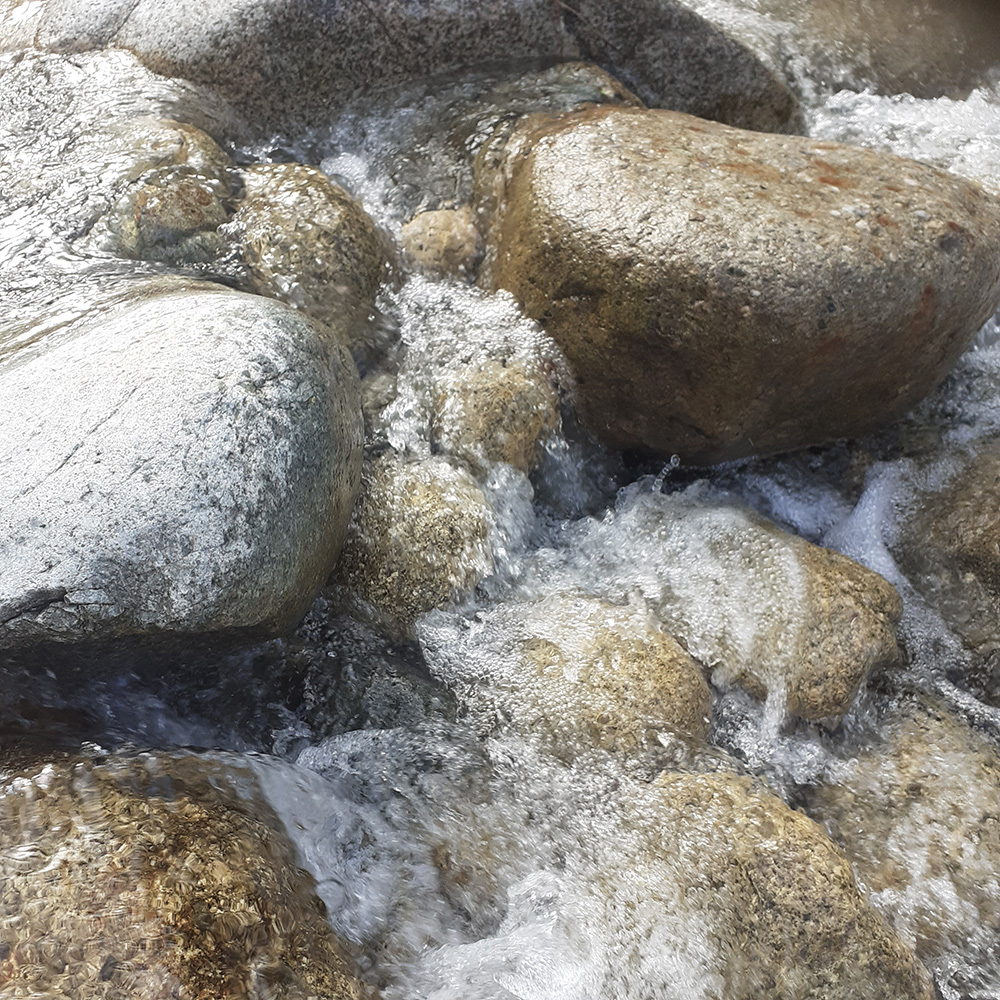
Tavignanu
On July 29, 2021, the Declaration of the Rights of the Tavignanu River was proclaimed. It is the first declaration of its kind regarding the rights of an ecosystem in France. This initiative was launched by the collectives “Tavignanu Vivu”, “Umani”, and “Terre de Liens-Corsica” with the support of “Notre Affaire à Tous”. The Declaration…
-
 Visit water body
Water body
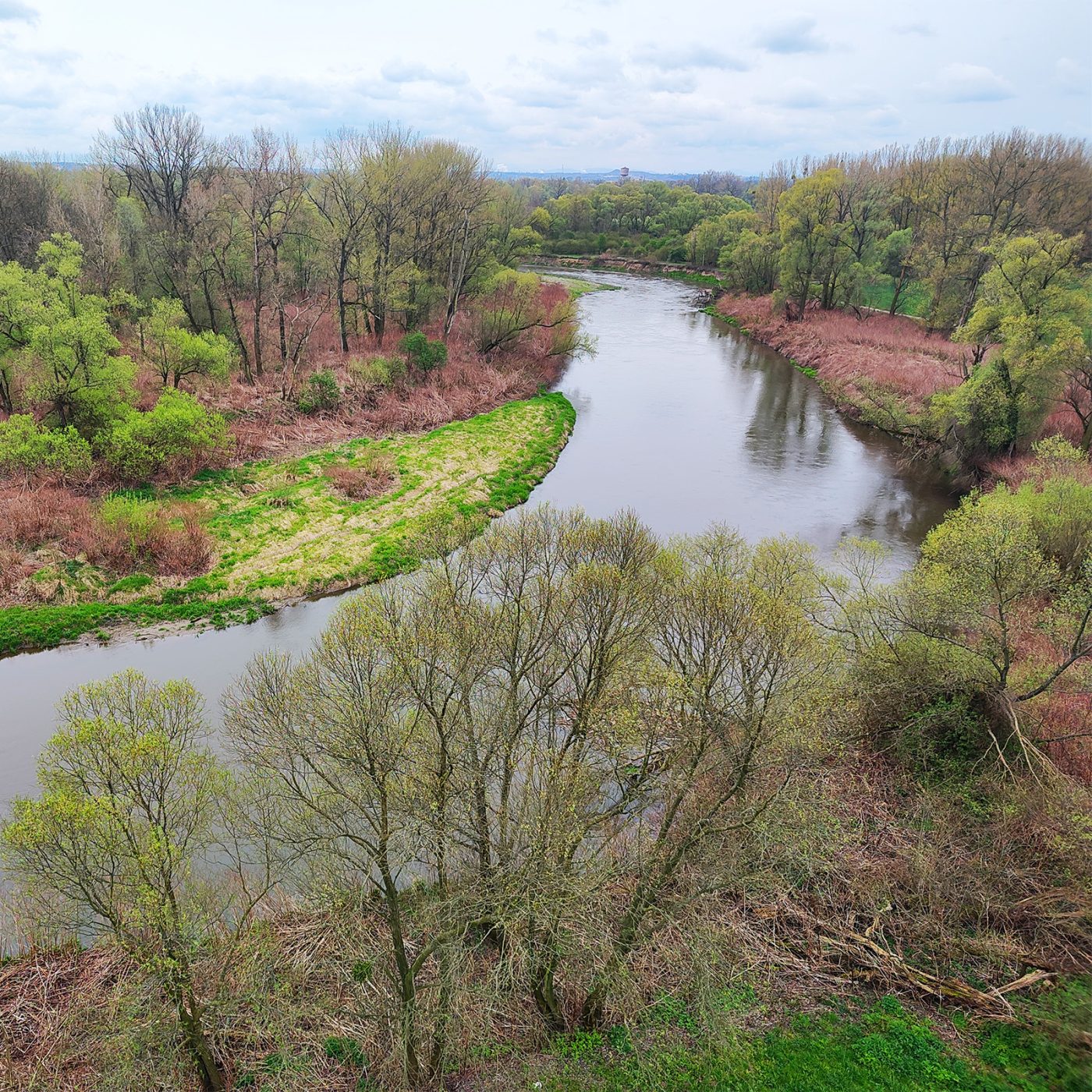
Odra
Actions of the Odra Tribe The greatest ecological disaster of contemporary Europe (as the European Parliament called it) took place in 2022, when 65 million mussels, 147 million snails, and 82 to 122 million fish died. The estimated weight of the dead is 1,650 tons. In response to this, the Odra tribe was formed. We…
-
 Visit water body
Water body
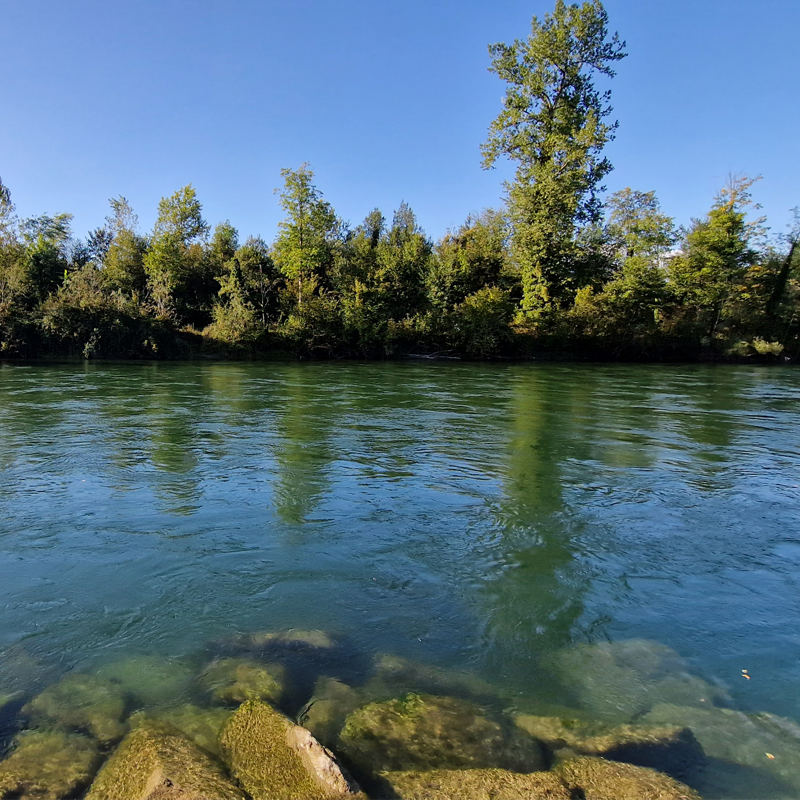
Reuss
The Reuss is the river that characterises Central Switzerland. It flows from the Gotthard region in the canton of Uri to the north. Its water finally ends up in the North Sea. For a long time, its wild course in the region of origin was an obstacle to transport over the Gotthard Pass in the Alps. The crossing of...
-
 Visit water body
Water body
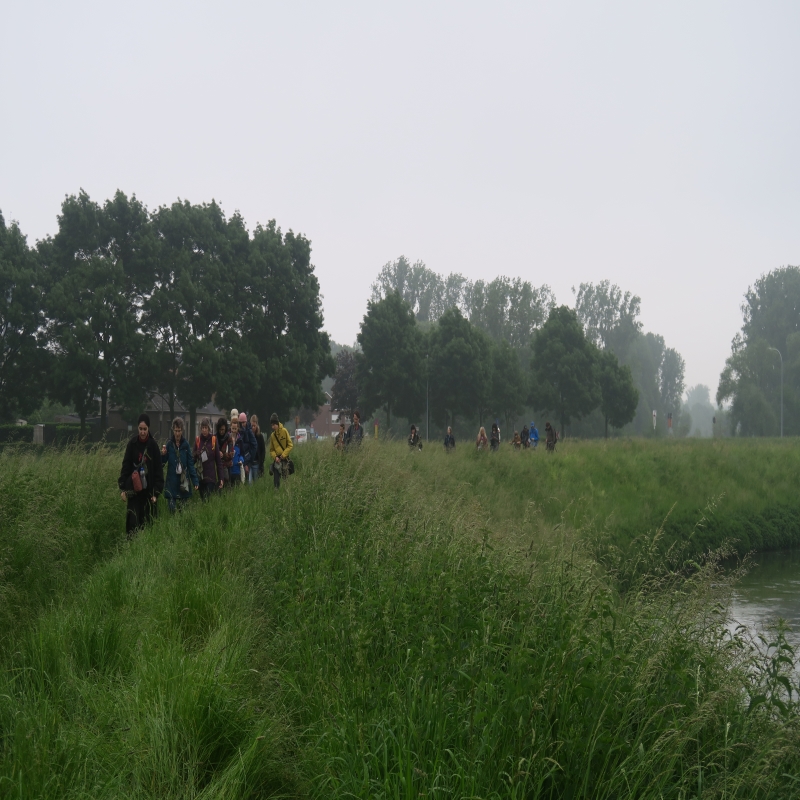
Piave
When the river Piave finally reaches the plain, just past Vidor bridge, it spreads widely across the area named ‘Grave di Ciano’ (Ciano Riverbeds), which comprises about 940 hectares of river ecosystems and represents a still intact biodiversity oasis of stunning beauty. Thanks to the rare species and habitats it hosts, the site is included in the 2000 Nature...
-
 Visit water body
Water body
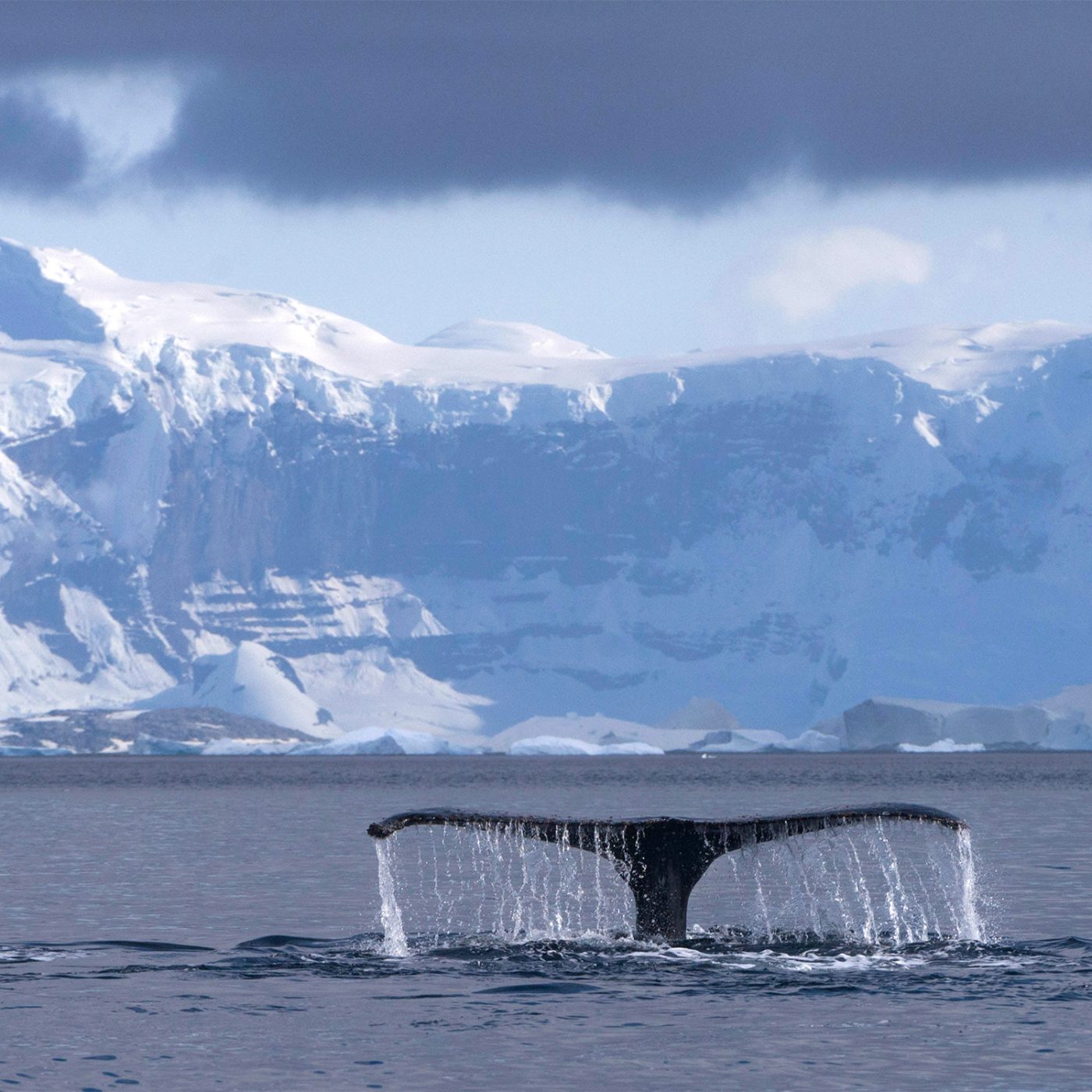
Zenne river
Zenne is a river that starts under a willow tree, humbly seeping to the surface in a field held open by trees, trickling down the slope to be slowly joined by water from its many sources, like the roots of a tree in the village of Naast. Its body widens and meanders its way over 103 km to its...
-
 Visit water body
Water body
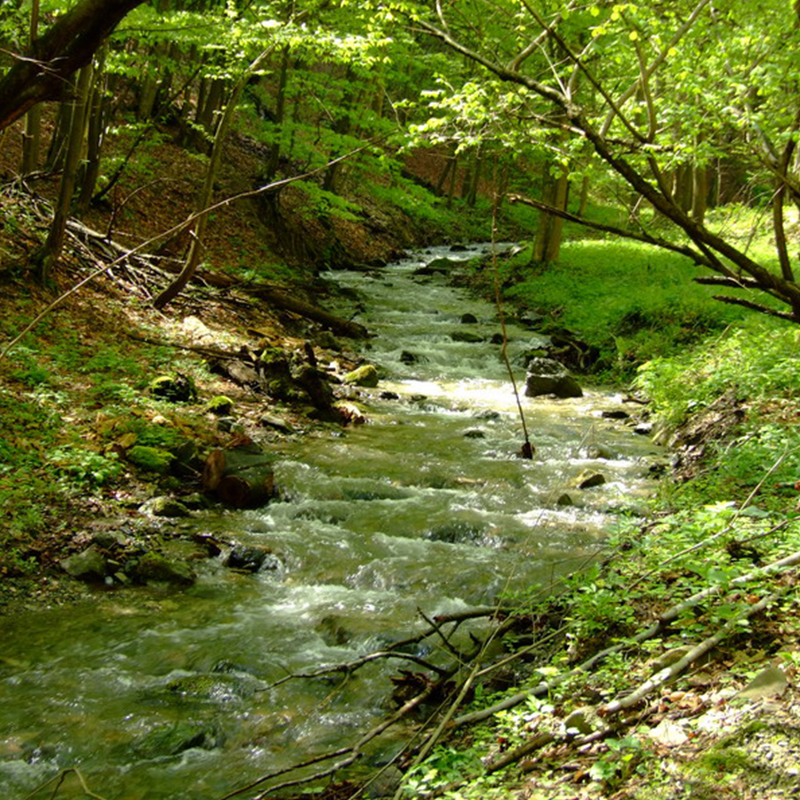
Antarctica
Antarctic Rights is a pioneering global initiative dedicated to securing legal recognition and protection for Antarctica and the Southern Ocean as entities with inherent rights. Founded on the principles of Earth Jurisprudence and the Rights of Nature, Antarctic Rights advocates for a transformative approach to the governance of this unique region—one that places the needs…
-
 Visit water body
Water body
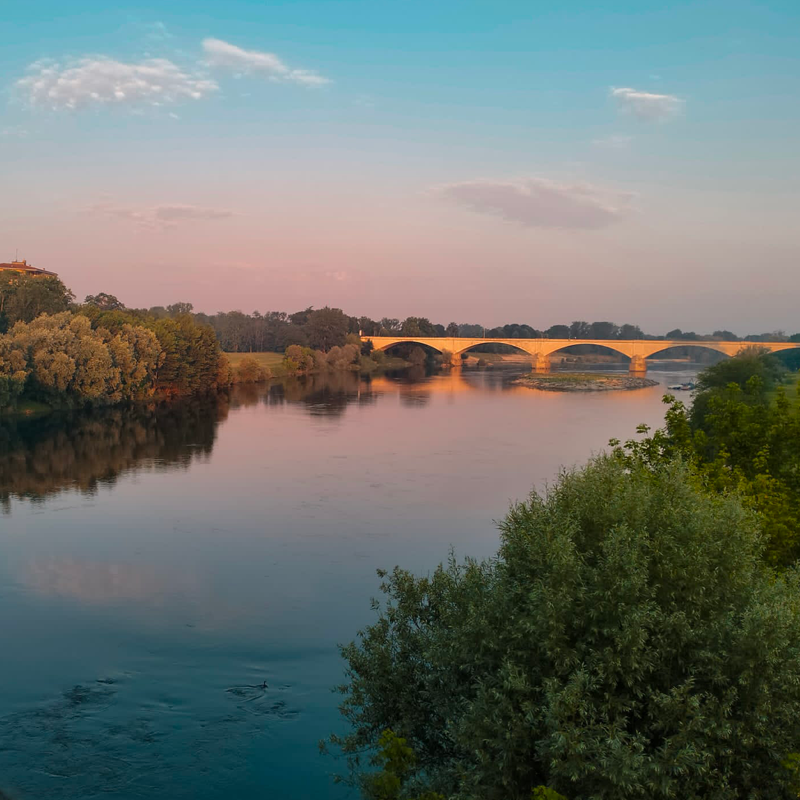
Pek
The Pek (Serbian Cyrillic: Пек) is a relatively short river in eastern Serbia. It is a 129 km long right tributary of the Danube, [1] flowing through the regions of Homolje, Zvižd and Braničevo. The river got a moniker Golden Pek for being one of the most gold-bearing rivers in Europe, with some of its tributaries bearing even more...
-
 Visit water body
Water body
Ticino River
The Ticino River rises in the Alps of southern Switzerland and flows through northern Italy. It is the main tributary of the Po River and the second Italian river in terms of water flow. The river measures a total of 248 km in length and is considered one of the healthiest rivers in Italy. Here,…
-
 Visit water body
Water body
Wattenmeer
Wattenmeer The Wadden Sea (Wattenmeer) is the largest unbroken tidal mud flats system in the world and consists of an unusual and highly dynamic sedimentary coast that ebbs and flows as sand, debris, mud, soil, and marine materials are distributed and redistributed over and over by the waves, tides, and currents. It is one of…
-
 Visit water body
Water body
Danube
The Danube is the world’s most international river. From the Black Forest to the Black Sea, she flows through ten nations; her catchment area spans twenty countries total, connecting regions, cultures and habitats like few other waterways. More than 80 million people live along her banks and tributaries. Four capital cities lie directly on her…
-
 Visit water body
Water body
Genova waters
Stretched between sea and mountains, Genova has developed in length (with its approx. 35 km, it is one of the longest cities in Italy) and is crossed by over 70 streams, rivulets and brooks that have been "buried" for urban and industrial reasons since the Middle Ages. The water bodies of this area, a complex, living and transcultural port...
-
 Visit water body
Water body
Mediterranean
A systemic and practical approach to preserving and restoring the Mediterranean. The Mediterranean has been an exceptionally biodiverse region for millennia. Today, countless species, including mammals, birds, fishes, amphibians, trees, plants, fungi, and other living beings, are facing predicted and already happening extreme climate change impacts and potentially devastating challenges to their existence. This is on top of the...
-
 Visit water body
Water body
Vättern
Lake Vättern is Europe’s sixth largest lake. Their water is cold and nutrient-poor, creating great underwater visibility. Twenty-eight fish species call Vättern their home. Some of them thrive, and some of them are facing hard times due to rising water temperatures linked to climate change. The lake is also home to seven very rare species of small crustaceans that...
-
 Visit water body
Water body
Loisach
The Loisach river originates in the Zugspitze region of Tyrol and flows through alpine landscapes from Austria to Bavaria, where it joins the Isar near Wolfratshausen. The river’s course was characterised by gravel banks, floodplains, and a rich variety of flora and fauna. However, straightening, canalisation, soil sealing, groundwater extraction and the consequences of the…
-
 Visit water body
Water body
Snæfellsjökull
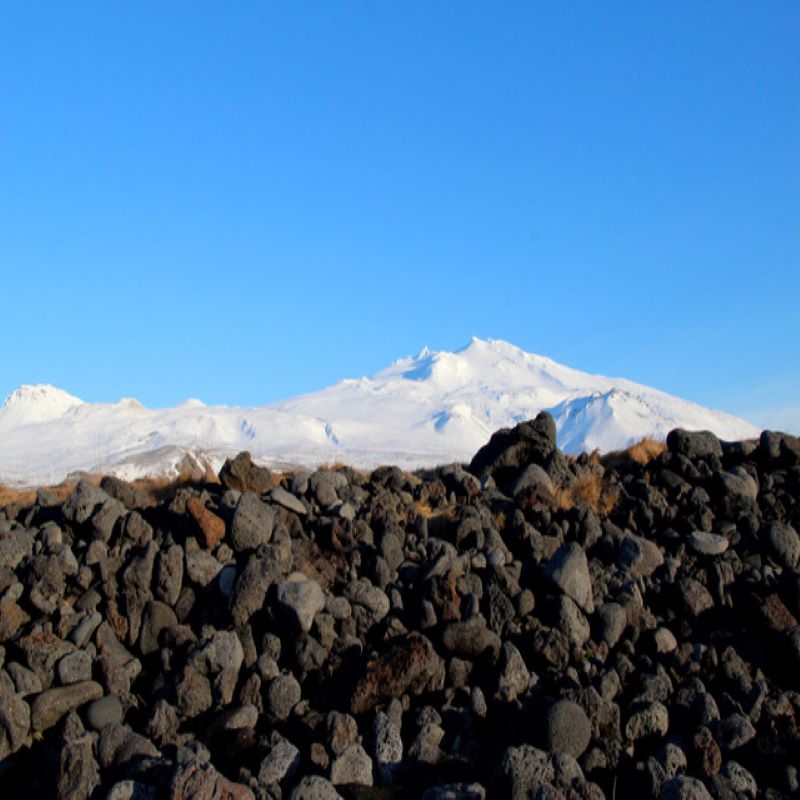
According to glaciologists, Snæfellsjökull is predicted to disappear by 2100. As a keystone citizen, Snæfellsjökull has wielded influence on weather, water, and land this past millennium. Snæfellsjökull has been an active contributor to landscape design, using its weight to carve valleys and fjords. Even the glacier's retreat has (in)formed rugged terrain. The most recent known eruption of Snæfellsjökull occurred...
-
 Visit water body
Water body
Seine
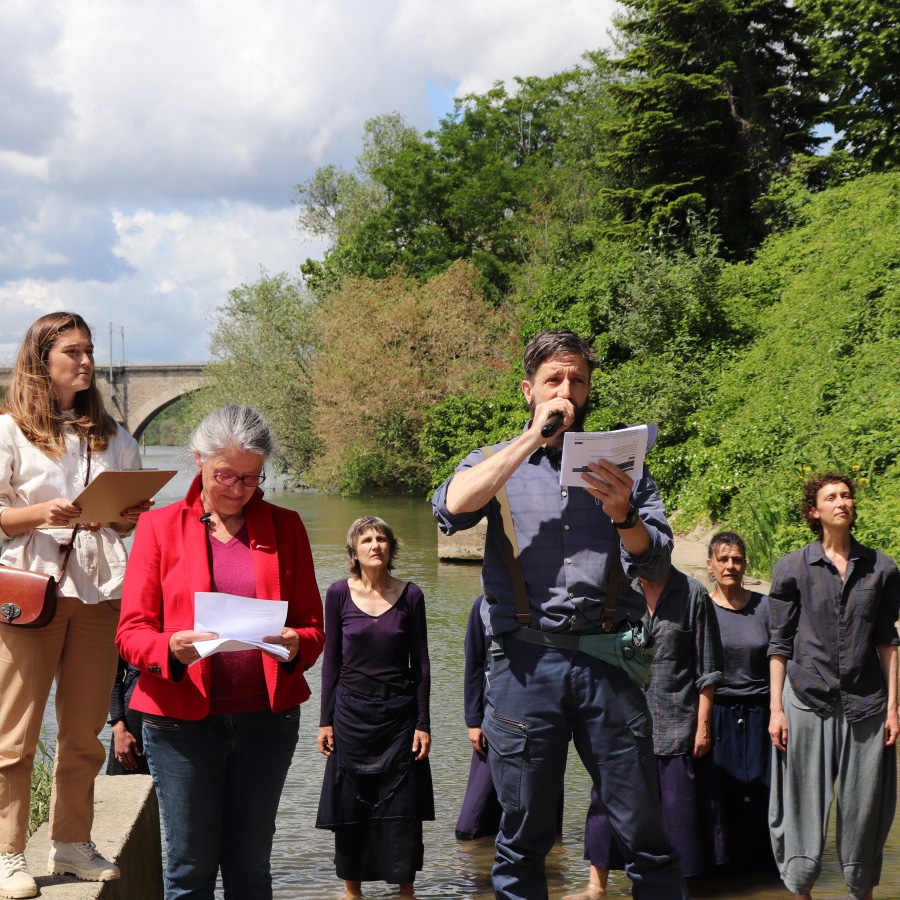
‘The Seine is like a person,’ dreamed Prévert in 1957. Since 2020, the Seine Guardians collective has been working to turn this poem into a collective project. Opposing the anthropocentric view of life and its extractivist practices, the Seine Guardians collective defends a bioperspectivist view of the river, respecting the intrinsic value of nature. At…