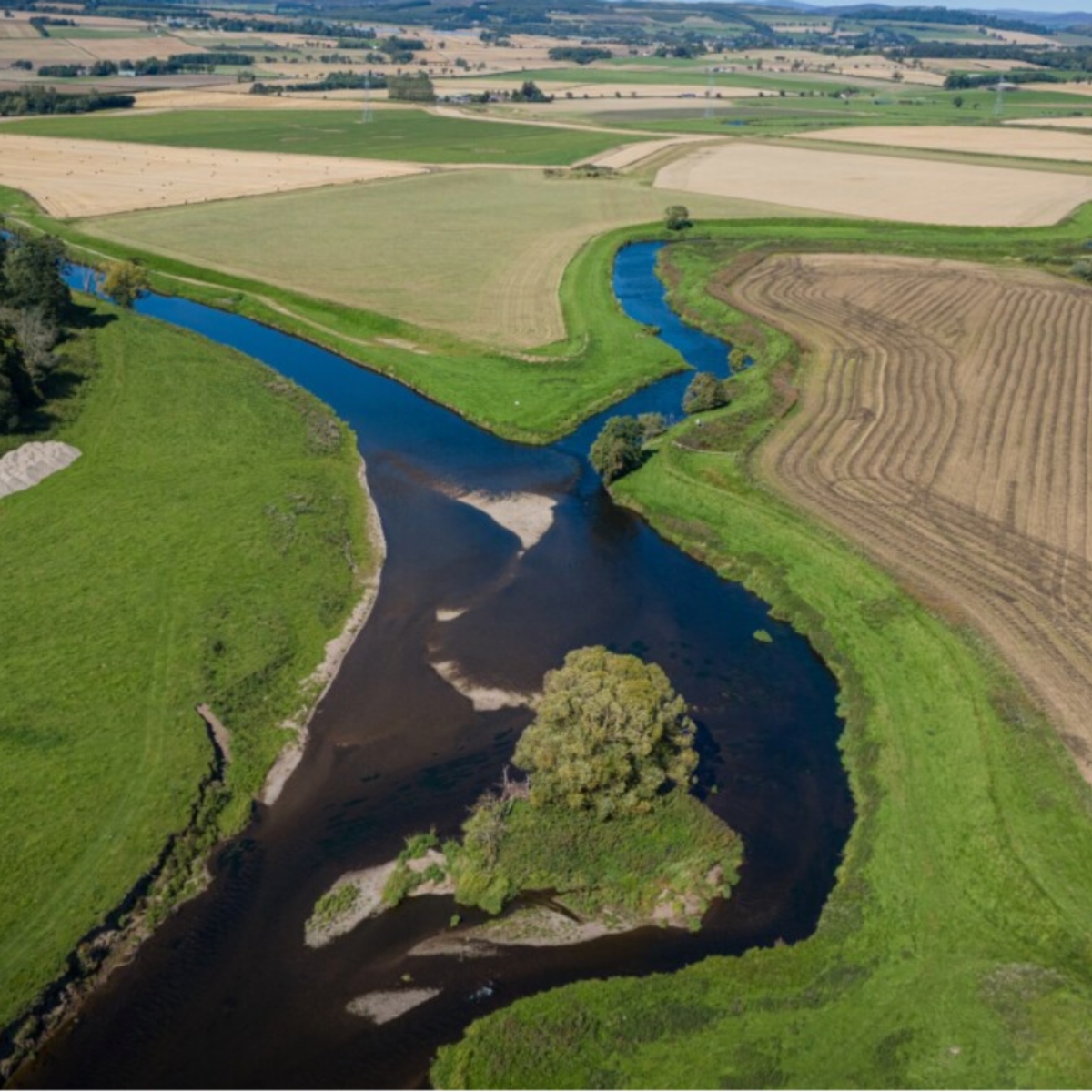
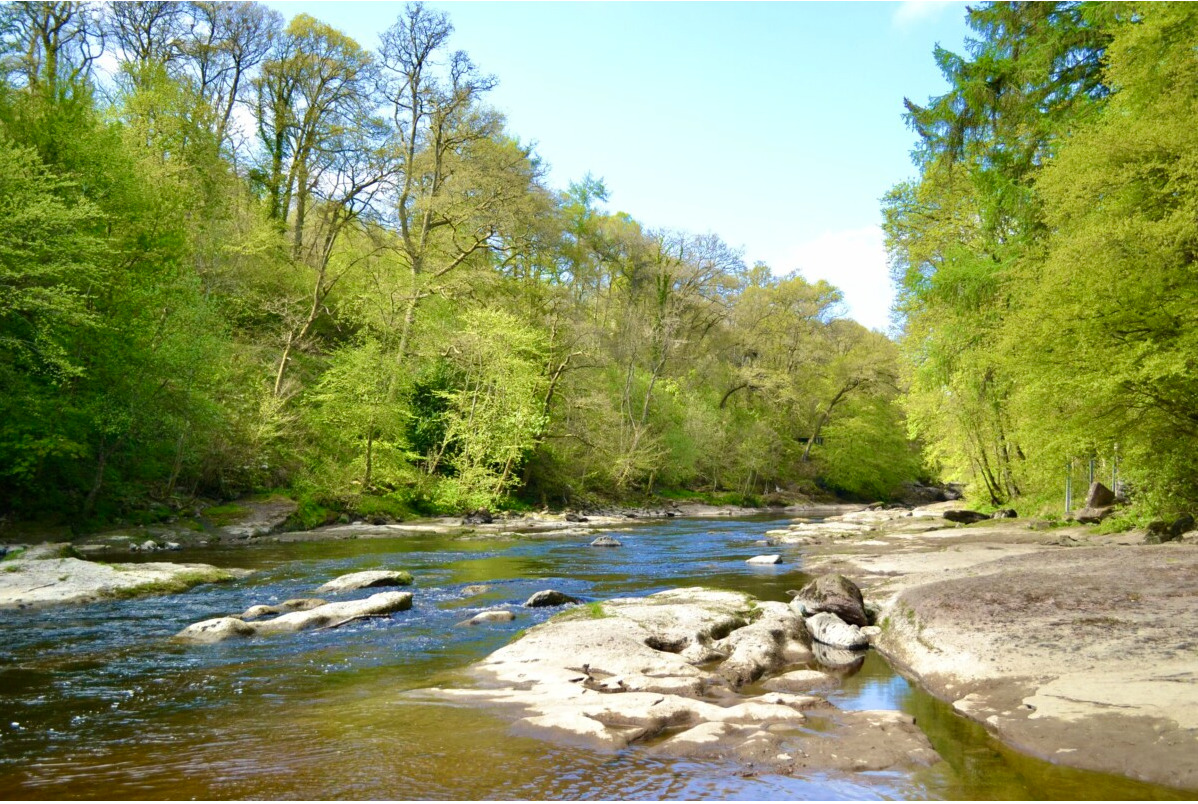
Originating on the slopes of Ben Lui (Beinn Laoigh) and flowing easterly across the Highlands, the River Tay is Scotland’s longest river and largest river catchment area. The Tay connects the lower regions of the Highlands and connects us to the North Sea. Stemming from the ancient Brythonic or Pictish language, the name likely signifies the ‘silent one’ or ‘flowing one ’. The Tay (Tatha, once Taoua) has been the artery for generations of forests and people, and shares the old story of this glacial geography in Mesolithic microliths, Pictish kingdom remnants, and Iron Age crannog foundations. The Tay’s many estuaries are still home to us. The Tay protects us and vulnerable populations of salmon, otters, lampreys, and a flagship population of freshwater pearl mussel — one of Scotland’s most endangered species, — which has helped the River secure legal designations including a Site of Special Scientific Interest (SSSI) and Special Area of Conservation (SAC). Nevertheless, Atlantic salmon populations are severely declining, and increasing pollution and climate-related extremes signal that broader collective change is needed to protect the future of this region.
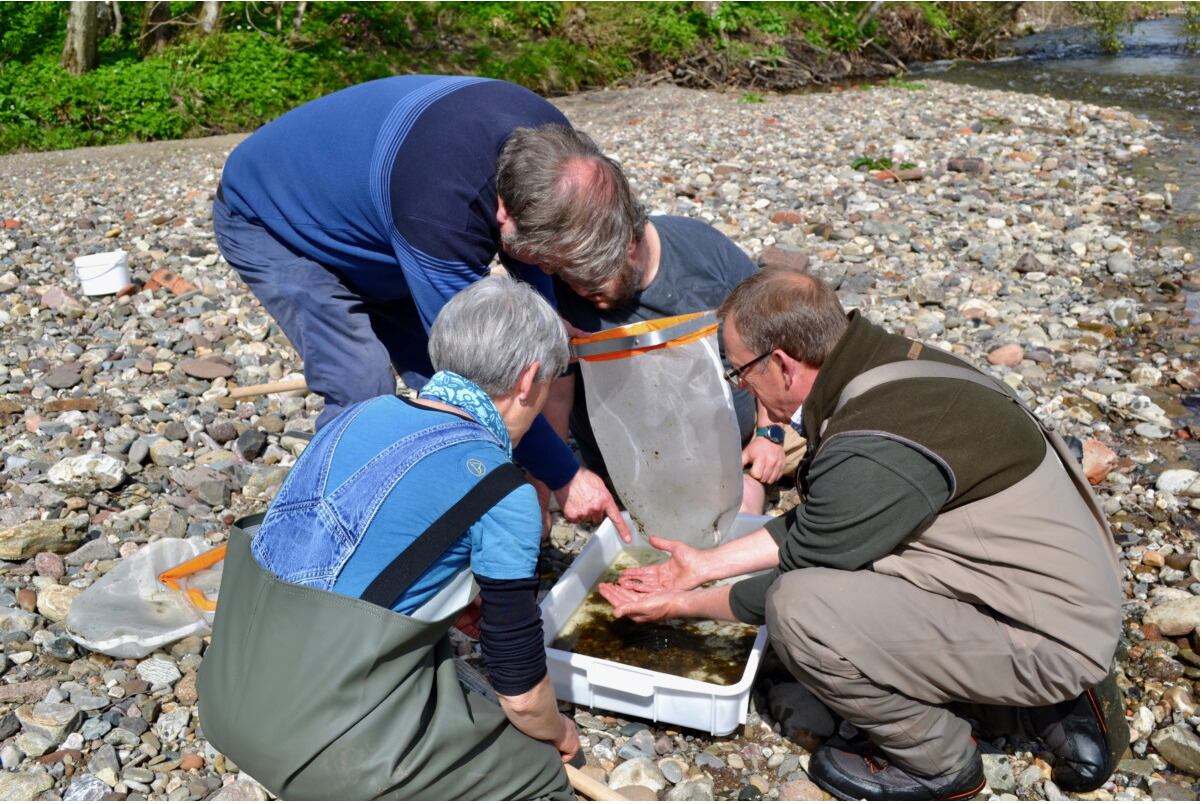
Our methodology takes a bioregional approach, which means we recognise that the Tay defines our geographical community and our political and economic boundaries, strengths, and responsibilities. Our collective is called Bioregioning Tayside, and we live in and love this region; we are biologists, artists, cultural researchers, and journalists working across sectors to lead restorative projects and foster economic, political, and cultural rethinking for our region’s resilience. Our approach is collaborative and recognises the region as an interconnected living system spanning land, water, biotic, and human communities. Our strategies for watershed restoration include partnering with national environmental and community-led organisations for catchment-scale approaches, with two tributary catchment regeneration initiatives in progress — the River Ericht Catchment Regeneration Initiative and the Isla Catchment restoration project. We apply community science and emphasise community-controlled change to build connections to place and self-organisational adaptation. Our vision is for a flourishing and resilient Tayside based on care for the natural world and each other. So alongside direct River restoration, we are developing new infrastructure including a Bioregional Observatory, Bioregional Financing Facility, Bioregional Learning Centre, and Bioregional Catchment Trusts and initiating and partnering on events and activities that enable the co-creation of solutions to the climate crisis, biodiversity loss, and our broken economic model. We have recently completed the first comprehensive bioregional strategy for ecological and cultural renewal within the Tay River System of Scotland, which aims to guide the transition from extractive practices to place-based stewardship.