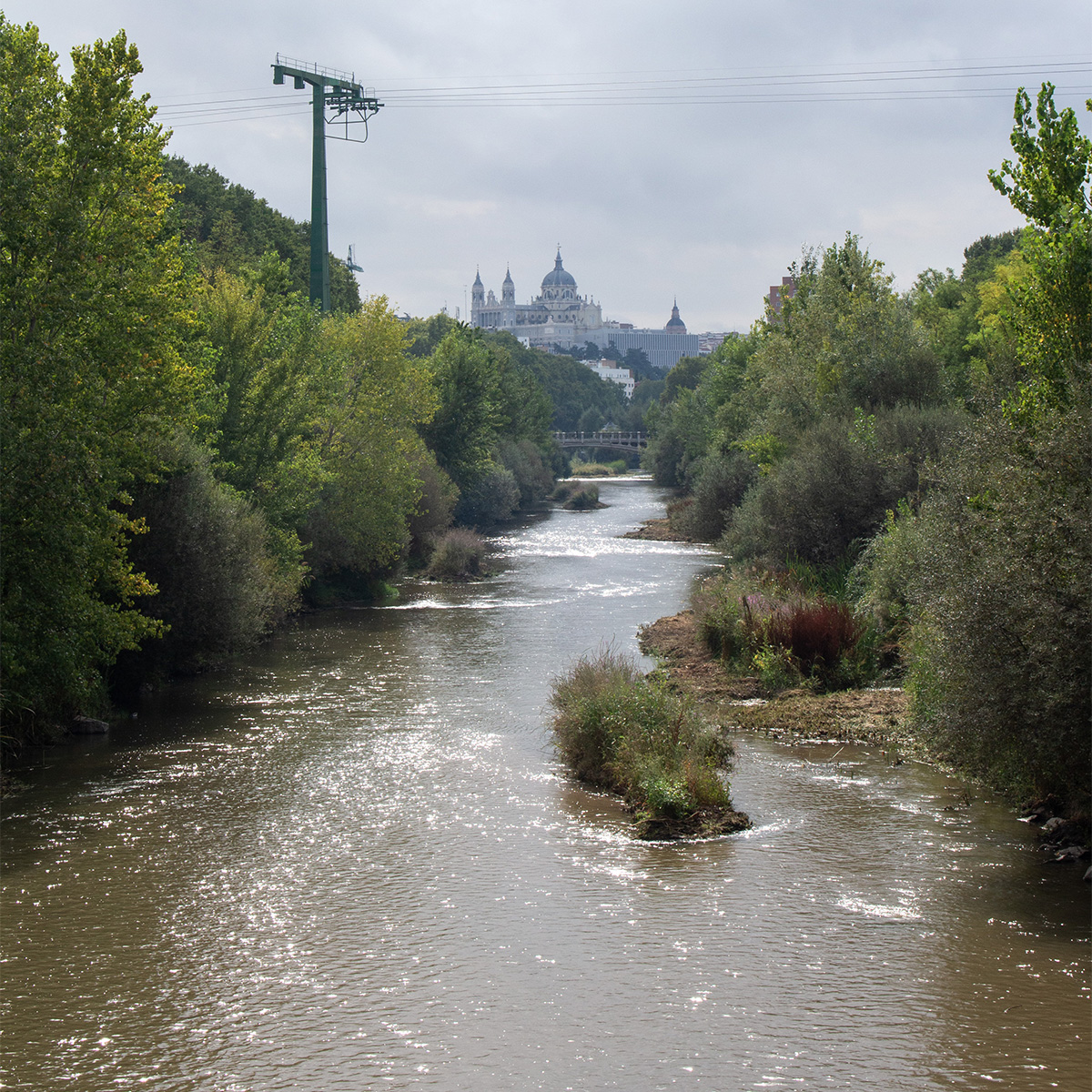
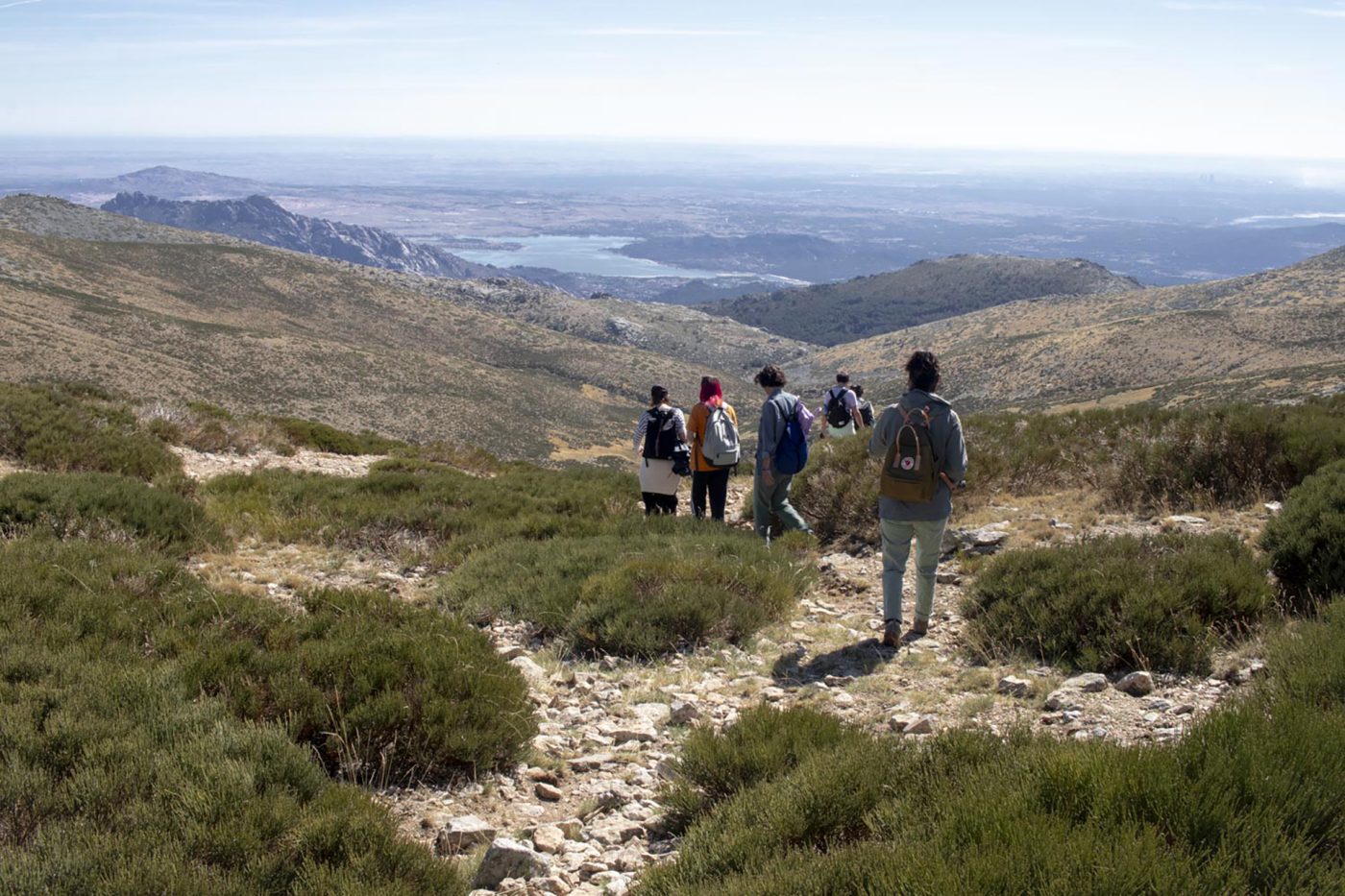
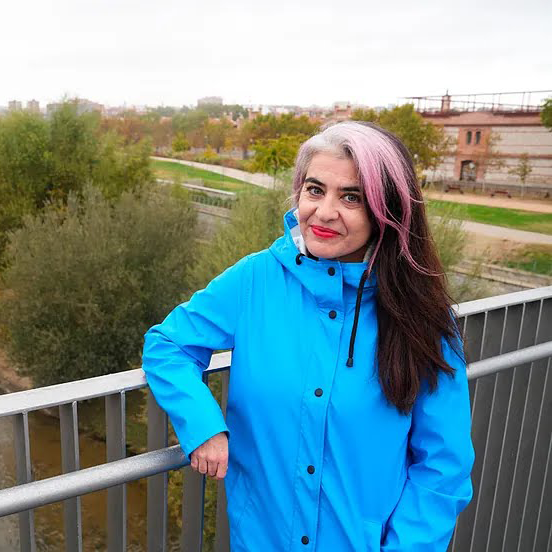
The Manzanares River begins its journey in the Sierra de Guadarrama and flows through the heart of Madrid before joining the Jarama River, part of the larger Tagus watershed. Although historically dismissed as a minor river, the Manzanares has long sustained human and non-human life across its basin: from mountain ecosystems and agricultural landscapes to urban neighborhoods, migratory corridors, and collective memory.
Over the past century, the river has undergone intense processes of extraction, canalization, damming, and urbanization. In Madrid, the river was transformed into an engineered channel, with its ecological dynamics severely disrupted. Yet in recent years, due to the activism of Ecologistas en Acción, the river has undergone processes of renaturalization and civic engagement that have allowed it to recover part of its ecological vitality. Wetlands, riparian vegetation, fish, birds, and other species have progressively returned to the river corridor, revealing the capacity of urban rivers to regenerate when allowed to flow again.
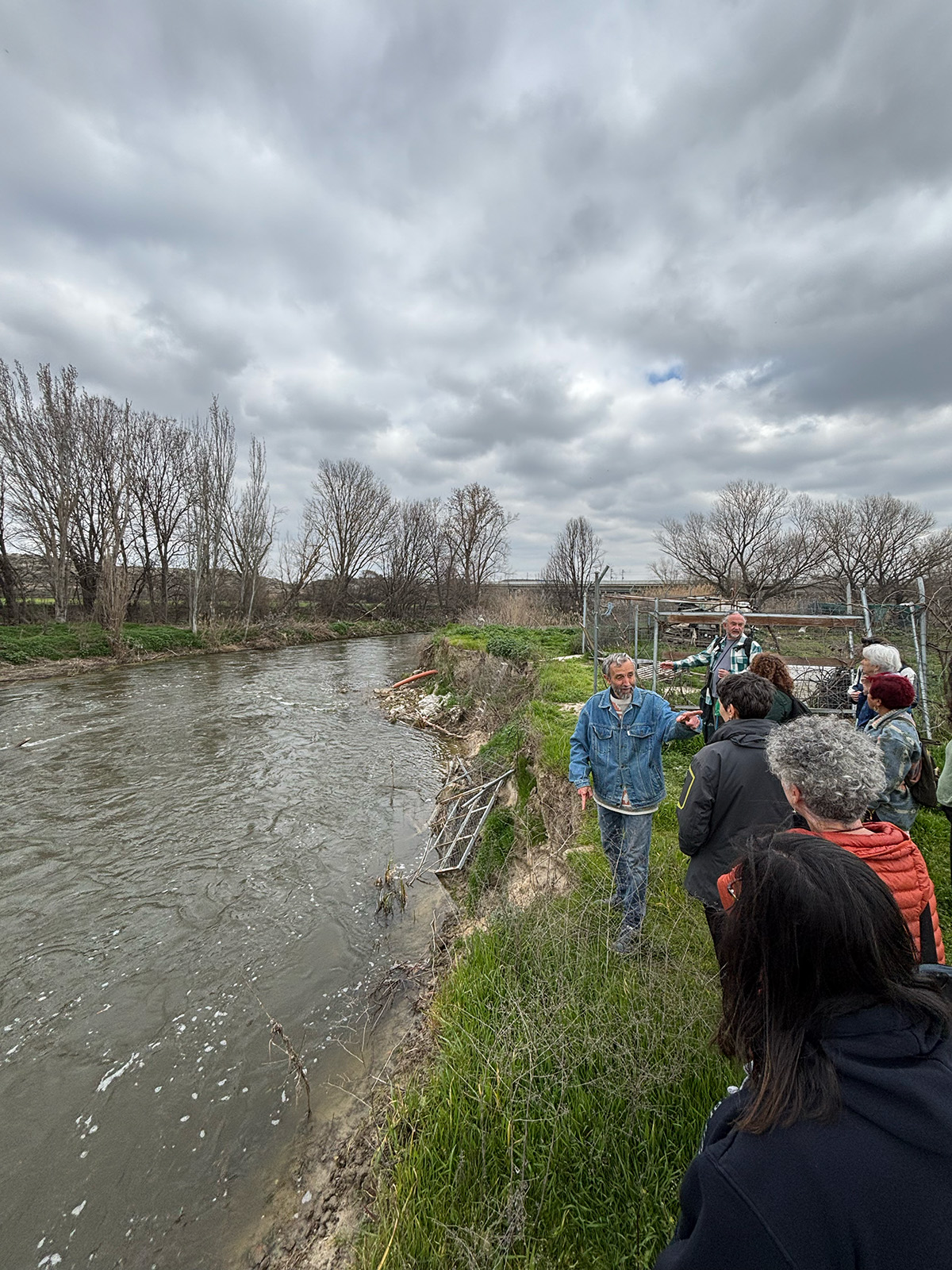
However, after receiving all the water from treatment facilities, some of which are heavily outdated, the southern stretch of the Manzanares is facing problems of pharmacological and trash contamination, ecosocial neglect, and insufficient care. The accelerated growth of Madrid is threatening the stability of the Manzanares basin, which includes all the streams that flow into it, the rainfall in its watershed, and its aquifer, one of the largest in Spain.
In 2025, a collective process led by social organizations, neighborhood associations, researchers, artists, and environmental groups culminated in the promulgation of the Declaration of the Rights of the Manzanares River and its Basin. The declaration proposes recognizing the river as a living subject with intrinsic rights, including the rights to flow, regenerate, maintain biodiversity, and remain free from contamination and ecological degradation.
The Assembly of Guardians of the Manzanares River emerged from this process as a collective, plural body committed to defending the river and strengthening relationships of care between the river basin and the communities that inhabit it. The Assembly, comprising more than 50 members, understands guardianship as an ongoing practice of listening, observation, collective action, and ecological responsibility. Its work includes public assemblies, artistic and pedagogical initiatives, environmental monitoring, legal advocacy, and community-based river walks and rituals.
Related links
- Redes por el Clima and the Assembly of Guardians of the Manzanares River
- Declaration of the Rights of the Manzanares River and its Basin
- News article in “El Mundo” about the initiative for the declaration of rights of the Manzanares River